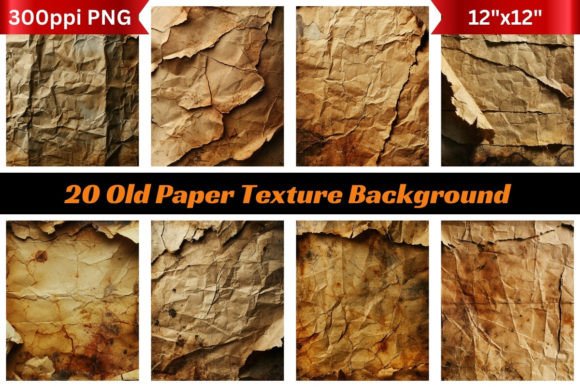
20 Old Paper Texture Backgrounds for Timeless Design
The Soul of Vintage Aesthetic in Digital Design
In an era dominated by sleek gradients and minimalist interfaces, there's a growing hunger for designs that tell a story. This is precisely where 20 Old Paper Texture Backgrounds become an indispensable part of your creative toolkit. These aren't just generic overlays; they are curated digital assets that simulate the organic decay of time—yellowed parchment, foxing stains, and creased fibers. For a designer, the appeal lies in the "grain" of the image. Unlike a flat, solid color, an old paper texture provides immediate depth and visual hierarchy without competing for attention. It creates a stage upon which other elements, whether typography or photography, can perform with greater emotional resonance.
The personality of this collection is unmistakably nostalgic, yet it remains incredibly versatile. We aren't talking about a single style of paper. A high-quality collection of 20 Old Paper Texture Backgrounds typically offers a spectrum of aging. You might find textures ranging from "lightly worn" to "heavily distressed." This variety is crucial. A subtle, cream-colored parchment with faint watermarks works beautifully for a wedding invitation, providing a sense of classic elegance. Conversely, a darker, more tattered texture with visible ink stains might be perfect for a Halloween-themed social media graphic or a vintage-style movie poster. The visual characteristics—such as uneven edges, torn details, and sepia tones—tap into a psychological trigger of authenticity. In a digital landscape often criticized for being "fake" or overly polished, these textures offer a tactile sense of reality.
Strategic Applications Across Branding and Marketing
Understanding where to deploy these assets is just as important as having them. The versatility of 20 Old Paper Texture Backgrounds allows them to bridge the gap between digital and print media, serving a wide range of professionals from entrepreneurs to publishers.
For brand identity, particularly for small businesses in the hospitality, artisanal food, or heritage sectors, these textures are gold. Imagine a coffee shop’s menu or a craft brewery’s label design. Using a premium font like a sturdy serif or a flowing script font over a textured background instantly communicates "craft" and "tradition." It suggests that the product is handmade and rooted in history, rather than mass-produced. In editorial design, such as magazine layouts or blog headers, these backgrounds provide a warm, inviting canvas that reduces the harshness of digital screens. They can soften the look of a layout, making long-form reading feel less like a chore and more like an experience.
Furthermore, in the realm of packaging design and social media graphics, distinctiveness is key. A feed filled with sterile, stock imagery gets scrolled past. However, a promotional post featuring a weathered paper background creates a "thumb-stopping" moment. It adds a layer of sophistication to web design as well—used as a subtle background for a landing page, it can guide the user's eye and create a cohesive atmosphere that aligns with the brand's voice. Whether you are creating a "Wanted" poster for a party, a historical timeline for a presentation, or a backdrop for digital art, the texture acts as a silent narrator.
Integrating Texture with Modern Typography
The true power of these backgrounds is unlocked when paired with the right typography. This is where the concepts of font pairing and visual hierarchy come into play. When working with 20 Old Paper Texture Backgrounds, the goal is to ensure your text remains legible while embracing the vintage vibe.
A common mistake is using a busy, handwritten font over a highly detailed texture. Instead, contrast is your friend. If the paper texture is rough and chaotic, pair it with a clean, bold display font or a structured sans serif font. This contrast ensures the text "pops" against the background noise. Conversely, if you are using a very subtle, clean parchment, you can afford to use a more intricate serif font or a delicate script font to enhance the elegance. For example, a vintage-style logo design might combine a distressed texture with a modern, geometric sans-serif to create a look that feels "retro-futuristic"—honoring the past but looking forward.
It is also vital to consider readability. High-resolution digital downloads are essential here. Low-quality textures often become pixelated when stretched, which can make overlaid text look jagged and unprofessional. Always ensure your textures are high-quality assets that scale well. When testing your designs, zoom in to check how the texture interacts with the font's kerning and tracking. Sometimes, adding a slight drop shadow or a semi-transparent color overlay between the texture and the text can bridge the gap, ensuring the message is clear without losing the atmospheric effect.
Practical Guidance for Selection and Licensing
When investing in design assets, practical considerations matter. Not all texture packs are created equal. When evaluating a collection of 20 Old Paper Texture Backgrounds, look for diversity in the pack. Do the textures offer different color temperatures? Are there variations in the "damage" level? A good pack should offer flexibility so you aren't using the exact same background for every project, which can dilute your brand's consistency.
Licensing is another critical checkpoint. If you are a freelancer or a business owner, you need to verify the commercial license. Can the textures be used in physical products for sale, such as printed merchandise? Can they be used in digital products sold on Etsy or Creative Market? Most standard licenses cover use in a "finished design" (like a flyer or a website), but restrict the resale of the raw texture file itself. Always read the fine print to avoid legal headaches down the road.
Finally, think about the file format. High-resolution JPEGs or PNGs are standard, but ensure they are compatible with your software of choice, whether that's Adobe Photoshop, Illustrator, Canva, or Procreate. By selecting the right set of 20 Old Paper Texture Backgrounds