Exploring the Depth and Style of 3D Papercut Backgrounds
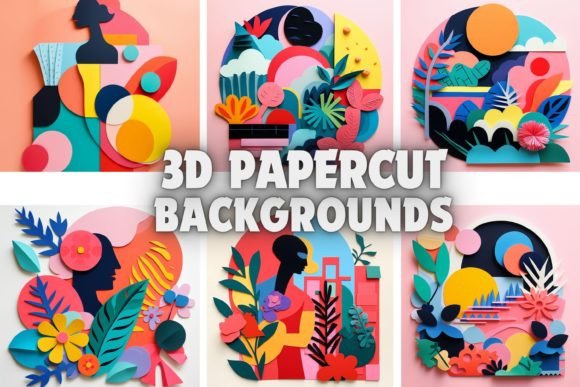
There is a specific kind of magic in paper art that digital design often struggles to replicate—the physicality of it, the way light catches a folded edge, the distinct separation between foreground and background. This is exactly what makes 3D Papercut Backgrounds such a compelling asset in the modern design toolkit. We are moving beyond flat textures and static gradients into a realm where your digital canvas possesses tangible depth. These aren't just pretty pictures; they are complex compositions that mimic the intricate layering of physical papercraft. For designers, content creators, and brand strategists, this collection of 16 HD images offers a way to inject a sense of tactile wonder into the digital spaces we inhabit every day.
The Visual Language: Texture, Light, and Shadow
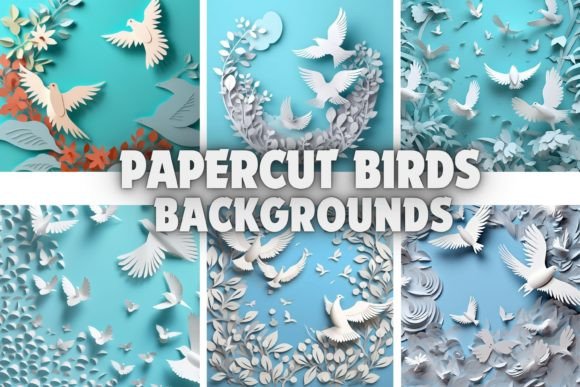
When we talk about 3D Papercut Backgrounds, we are discussing a visual style that relies heavily on the interplay of light and shadow. Unlike a standard serif font or a clean sans serif font that sits flat on a page, these backgrounds create a "stage" effect. The visual personality is defined by intricate silhouettes and overlapping layers. You will notice how the designs utilize drop shadows and highlights to create a parallax effect, making the foreground elements pop against a softly blurred or distinctively colored backdrop. This style bridges the gap between illustration and photography; it feels artistic and handcrafted, yet polished and high-definition.
The appeal lies in its versatility as a design asset. Whether the pattern is floral, geometric, or abstract, the 3D element adds a level of sophistication that flat graphics simply cannot match. It transforms a standard image into a piece of editorial design art. For anyone working on brand identity, this style suggests a brand that values creativity, attention to detail, and a modern aesthetic. It moves away from the cold, sterile look of stock imagery and offers something warmer, more organic, and infinitely more engaging.
Strategic Applications: From Branding to Digital Presence
Understanding where to deploy 3D Papercut Backgrounds is key to maximizing their impact. In the realm of web design, these images serve as exceptional hero sections. Instead of a generic header, imagine a landing page that opens up into a layered paper landscape. It immediately captures the user's attention and sets a tone of modern typography and creativity. This is particularly effective for lifestyle blogs, architecture firms, or artisan portfolios where the "how" (the craft) is just as important as the "what."
For those in the startup and entrepreneurial space, visual consistency is vital. These backgrounds work beautifully across social media graphics. On platforms like Instagram or LinkedIn, where the feed is crowded, a cohesive set of posts featuring these layered textures creates a recognizable visual rhythm. They act as a perfect frame for quotes, announcements, or product features. Because the background is so dynamic, you can pair it with a simple, bold display font for your text, ensuring that your message remains the hero while the background provides the atmosphere.
Furthermore, consider the power of these assets in packaging design and print materials. While we often think of digital first, a business card or a product label that features a subtle 3D papercut texture elevates the perceived value of the product. It suggests premium quality before the customer even reads a single word. In logo design, elements of these backgrounds can be cropped and used as supporting textures to give a flat logo a sense of environment when placed on a website or a presentation slide.
Practical Integration and Design Workflow
Incorporating 3D Papercut Backgrounds into your workflow requires a thoughtful approach to readability and hierarchy. Because these backgrounds are rich in detail and texture, they function best when paired with clean typography. If you are overlaying text, you generally want to avoid using a script font or a highly ornate handwritten font directly over the busiest parts of the image, as this can create visual chaos. Instead, use these backgrounds with a strong, legible typeface—a clean sans-serif or a modern serif often works best to contrast the organic nature of the paper texture.
When evaluating these assets for a client project or your own brand, consider the "personality" of the specific image. Is it playful with bright colors, or is it moody and sophisticated? This will dictate your font pairing. For a playful, creative agency vibe, you might pair a vibrant papercut background with a rounded, friendly sans-serif. For a luxury feel, look for the darker, more shadowed backgrounds in the collection and pair them with a high-contrast serif.
It is also worth noting the practical side of using high-resolution assets. These 3D Papercut Backgrounds are HD files, meaning they are robust enough for large-scale printing or high-DPI screens. However, for web use, you will want to optimize them for load times without losing the crispness of the paper edges. This balance ensures your site remains fast while still delivering that premium font and visual experience users expect.
Elevating Your Creative Output
Ultimately, the goal of using 3D Papercut Backgrounds is to stop the scroll and engage the viewer. We live in a visual economy, and standing out requires more than just good copy; it requires an environment. These backgrounds provide that environment. They are not just filler; they are active participants in your design narrative.
For the crafter, hobbyist, or small business owner, these files are a gateway to professional-looking graphics without the need for expensive 3D rendering software. They offer a creative font companion that adds life to invitations, digital scrapbooks, or promotional flyers. For the marketer, they are a tool to refresh a tired campaign, adding a layer of artistic flair that feels current and unique.
By integrating these layered textures into your projects, you are doing more than decorating a screen. You are embracing a design philosophy that values depth, craftsmanship, and visual storytelling. Whether you are building a brand identity from scratch or looking to inject new life into existing marketing materials, these 3D compositions offer a sophisticated, versatile, and visually stunning solution.