Unlocking Creativity: The Power of Abstract Line Pattern Backgrounds
In the world of digital and print design, the background is more than just empty space—it's the foundation of your entire composition. A well-chosen background sets the tone, directs the viewer's eye, and supports your message without overwhelming it. This is where abstract line pattern backgrounds become an indispensable tool in a creator's arsenal. These aren't just random squiggles; they are carefully crafted visual assets that bring energy, movement, and sophistication to any project.
Visual Language and Aesthetic Appeal
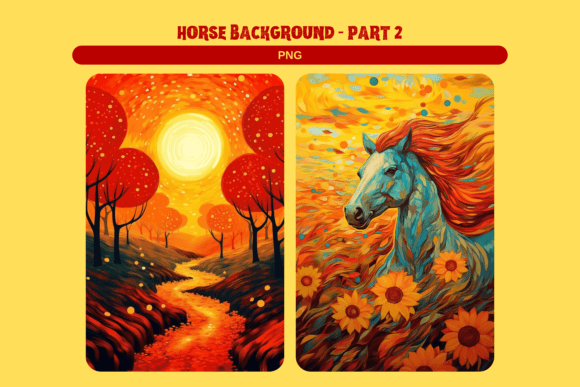
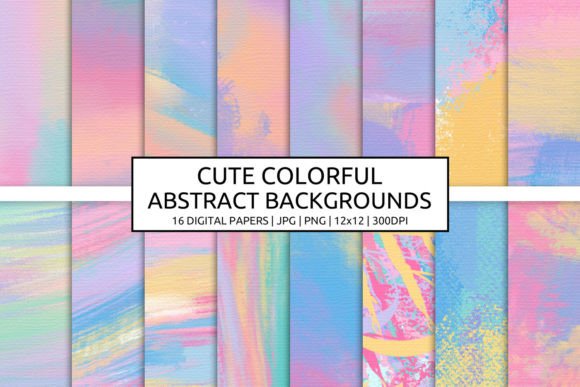
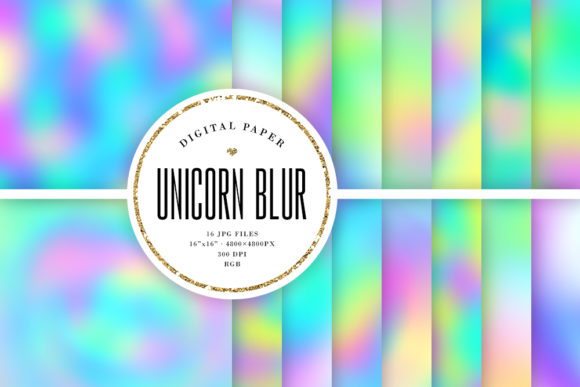
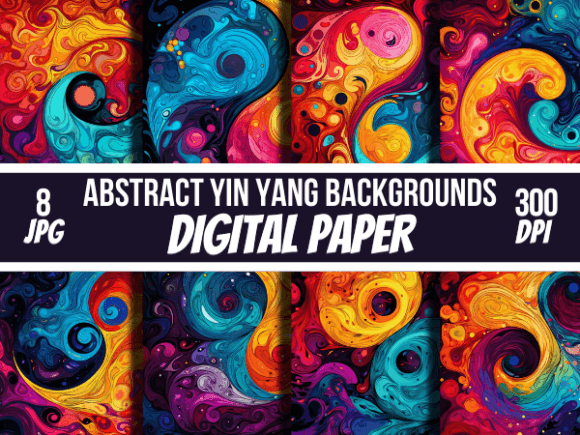
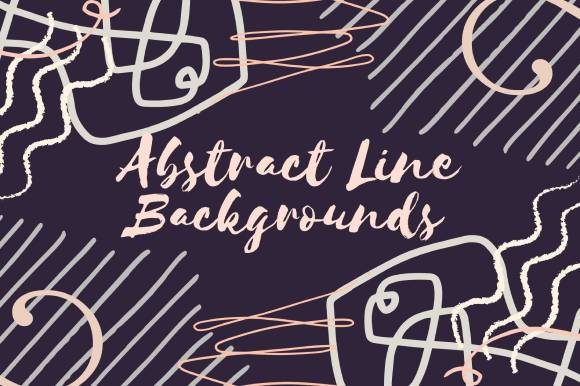
What exactly defines the look of these abstract line backgrounds? Imagine flowing, intersecting curves and geometric forms that create a sense of rhythm and depth. The "personality" of this collection is modern, dynamic, and versatile. The lines aren't rigid or overly technical; they have an organic, fluid quality that feels both artistic and contemporary. The use of color within these forms is key—they can range from subtle, muted gradients to bold, vibrant palettes, allowing you to match the energy of your brand or project perfectly. The overall appeal lies in their ability to suggest complexity and movement while remaining clean and uncluttered, ensuring your foreground content always has the spotlight.
Where These Backgrounds Truly Shine
The real-world applications for this type of design asset are vast, limited only by your imagination. For digital creators and bloggers, these backgrounds transform standard social media graphics, blog headers, and website banners into eye-catching visuals that stop the scroll. The high 5000×5000 pixel resolution ensures your graphics look sharp and professional, whether displayed on a retina screen or printed in high quality.
In the realm of branding and marketing, abstract line patterns are powerful tools. They can be used behind logo presentations to add context and style, as the foundation for compelling poster and banner designs, or integrated into packaging design to create a modern, premium feel. For entrepreneurs and small business owners, using these consistently across stationery, business cards, and digital ads helps build a cohesive and recognizable brand identity that communicates innovation and attention to detail.
Personal projects benefit immensely too. Wedding invitations, party decorations, and gift wraps gain an instant touch of elegance and custom artistry. Crafters and hobbyists can use them for DIY projects, digital wallpapers, or unique textile patterns. The key is to see them not as a mere fill, but as an active participant in your design's storytelling.
Practical Integration and Design Strategy
Choosing the right background from the pack is your first strategic decision. Consider the mood of your project. Is it energetic and youthful? Opt for patterns with brighter colors and more dynamic, intersecting lines. Is it elegant and serene? Look for designs with softer curves, a more limited color palette, and greater negative space. Always view the background in context with your planned foreground elements—text, logos, or images.
A critical aspect of using these non-seamable backgrounds effectively is composition. Since they cannot be tiled, each 5000×5000 pixel image is a complete, standalone composition. This means you should plan your layout around the background's inherent flow and focal points. Use the lines to guide the viewer's eye toward your call-to-action or key message. For example, a pattern with converging lines can naturally draw attention to a central logo.
When pairing these backgrounds with typography, contrast and readability are paramount. A busy, colorful background demands bold, clean typefaces—think a strong sans serif font for headlines or a highly legible serif font for body text. Avoid overly ornate script or handwritten fonts that might get lost. The background should enhance, not compete with, your message. Always test your text overlays at various sizes to ensure clarity.
From a professional workflow perspective, having a library of such high-quality, royalty-free design assets is a significant time-saver. It allows you to quickly prototype ideas and maintain visual consistency across a campaign or brand rollout. Remember, these are commercial-use assets, so you can confidently use them in client work, products for sale, and all your professional ventures. The JPEG format offers broad compatibility, making it easy to drop them into any design software, from Adobe Photoshop and Illustrator to Canva and Procreate.
Ultimately, abstract line pattern backgrounds are a versatile and powerful element of modern typography and graphic design. They offer a way to inject personality, depth, and professionalism into your work without the need for custom illustration. By understanding their visual language and applying them thoughtfully, you can elevate your projects from ordinary to extraordinary, creating designs that truly resonate with your audience. They are more than just a backdrop; they are a foundational component of compelling visual communication.